AI-DrivenEmergency Housing.Build, deploy,save lives.
An intensive 3-day workshop where architects become toolmakers - wielding agentic AI, multi-agent systems, and humanitarian frameworks to design and deploy crisis shelter at scale.
Architects as toolmakers, not tool users.
This is not another “introduction to AI” course. You leave with humanitarian frameworks, working code, and a deployed AI tool of your own design.
AI for Architects
Master LLMs, agentic workflows, and prompt engineering tailored for humanitarian shelter design.
Crisis Knowledge
UNHCR · Sphere · IFRC, plus original El Sayary frameworks.
Vibe Coding
Build real browser tools through structured AI prompts - no prior programming.
Debris-to-Shelter
Apply circular construction logic to disaster debris using AI-driven material classification.
Multi-Agent Systems
Design AI personas - Structural · Climate · Materials · Compliance - that collaborate on real proposals.
Capstone Project
Conceive, design, and deploy your own working AI-powered emergency housing tool.
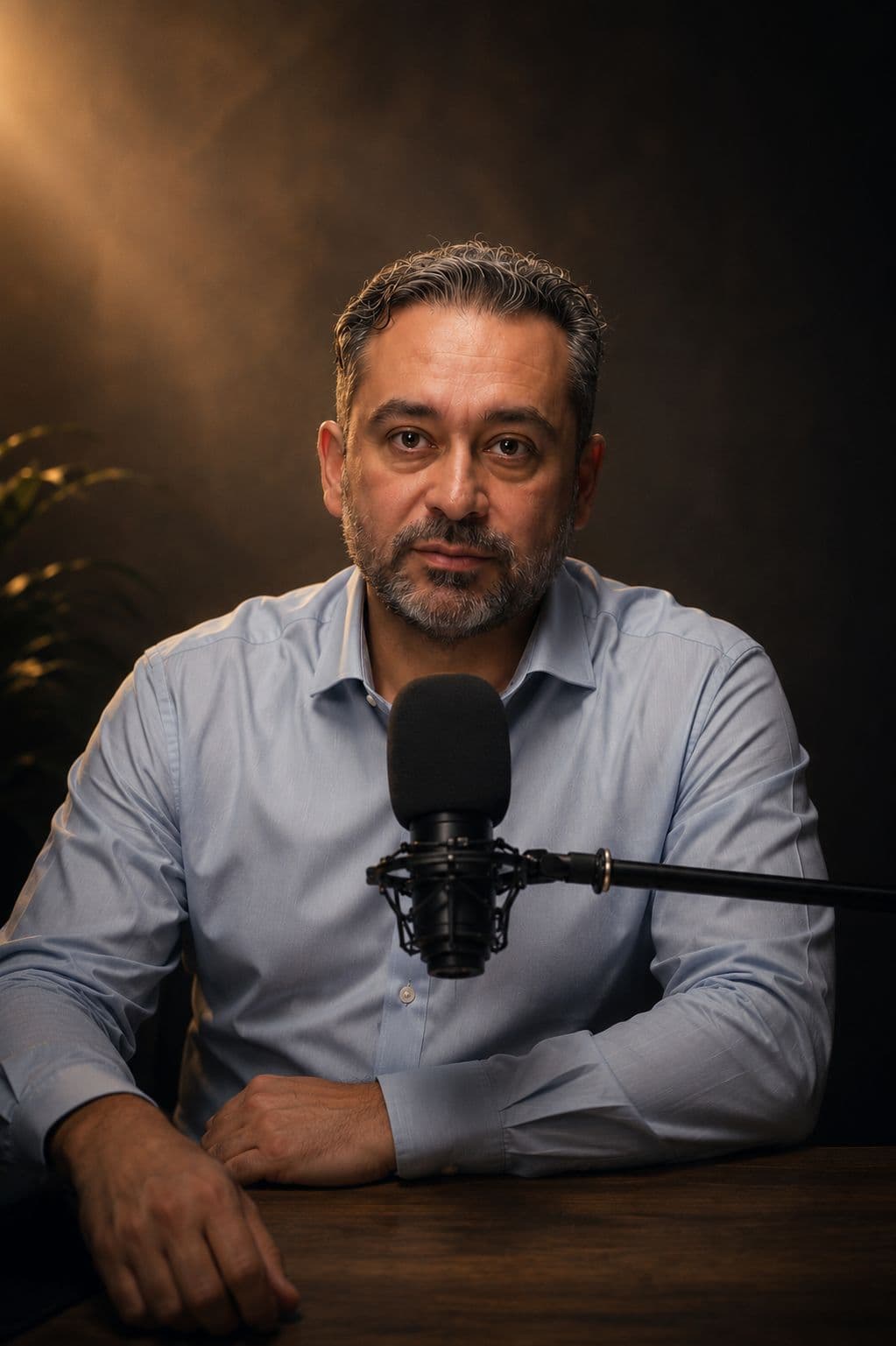
We do not teach participants about AI. We transform them into architects who build intelligence systems that save lives.
Pioneer of AI-driven humanitarian shelter design.
Dr. Samer El Sayary is an architect, researcher, and educator working at the intersection of artificial intelligence and humanitarian architecture. He created the BRAIN framework for multi-agent architectural intelligence and developed Site Analysis Pro in collaboration with Phoenix Global Education × FutureED - the flagship AI tool that participants will explore and apply during the masterclass.
His original frameworks, including the Three Temporal Categories of Crisis Housing, the 17 Contexts for Emergency Housing Design, and the Composability Principle, are reshaping how architects respond to displacement, disaster, and extreme environmental conditions.
Creator of the BRAIN framework for multi-agent architectural intelligence
Designer of LUNARIUM - a lunar habitat concept proving Earth-based crisis resilience
Researcher behind the FENAA' / SSAHS model, validated across three Egyptian climatic contexts
Pioneer of “vibe coding” pedagogy enabling non-programmer architects to ship working AI tools
Three days. Nine modules.
One deployed AI tool.
A carefully sequenced journey from humanitarian foundations → agentic systems → your own working capstone.
The Global Emergency Housing Crisis
AI Fundamentals for Architects
Hands-on Lab - Crisis Design Brief Generator
A framework. A flagship tool. A toolkit for life.
You don't just learn AI theory - you walk out with the BRAIN framework and your own Site Analysis Pro tool, built from scratch during the masterclass.
The BRAIN Framework
Building Reasoning Architectural Intelligence Networks - the methodology for orchestrating specialist AI agents that collaborate on complex humanitarian design challenges.
Site Analysis Pro
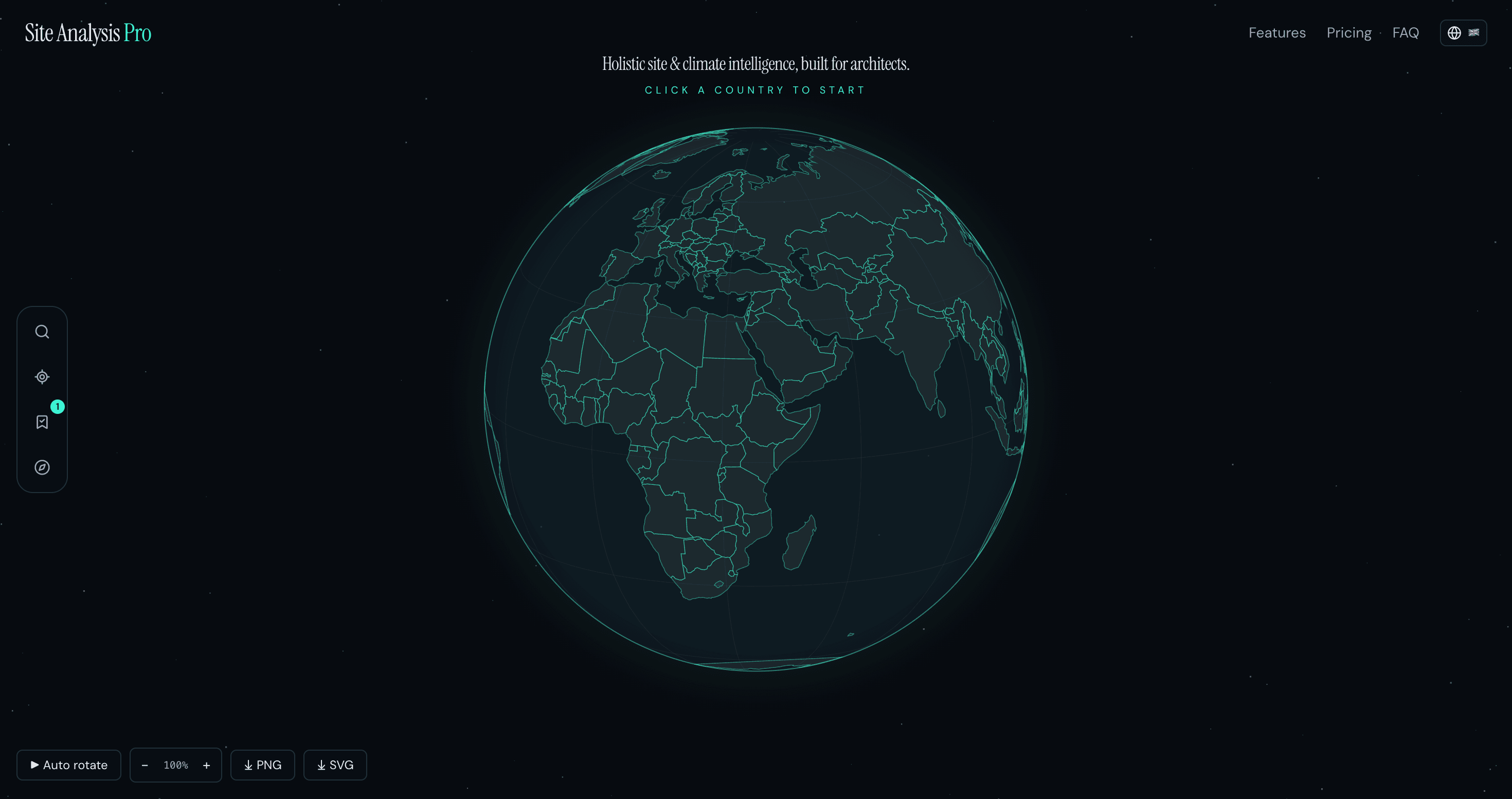
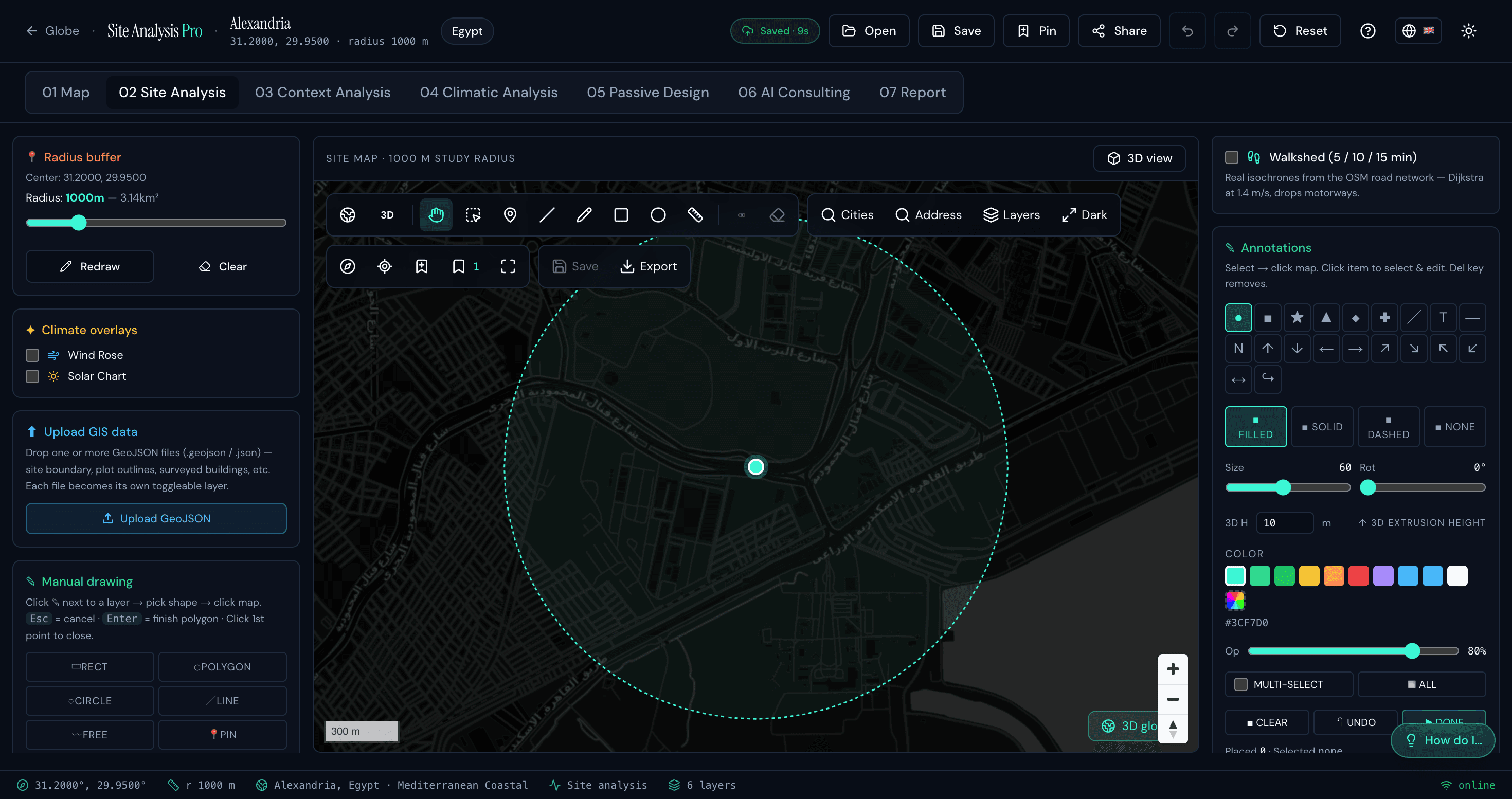
Your own AI architecture assistant - built from scratch during the masterclass. Analyses terrain, climate, infrastructure, and cultural context to generate intelligent site recommendations for emergency housing deployment.
Three things every participant takes home
CPD-accredited completion with 15 documented hours
All tools, prompts & capstone artifacts for professional evidence
Lifetime access to Phoenix community & mentorship

This is Site Analysis Pro - and you'll build it.
On Day 2 you build v1.0 from scratch. On Day 3 you upgrade to v2.0 with multi-agent integration. By the time the masterclass ends, you own a working architectural intelligence tool - not a demo, not a slideshow.
By Day 3, you will walk out with these capabilities.
Twelve concrete, demonstrable skills bridging humanitarian standards, AI workflows, and architectural toolmaking - each validated through hands-on labs.
- 01
Critically analyse the global emergency housing crisis using current UNHCR, Sphere, and IFRC data - and articulate the architect's humanitarian responsibility across the three temporal categories of crisis response.
- 02
Differentiate between shelter design, emergency housing, and rapid deployment systems, mapping each to appropriate AI-assisted workflows.
- 03
Apply the 17 Contexts framework to formulate comprehensive AI-generated design briefs covering climate, terrain, culture, materials, governance, and more.
- 04
Employ the 3 Main Principles and 10 Design Criteria as evaluation rubrics inside your AI-powered design tools.
- 05
Construct multi-part LLM prompts that generate climate-responsive shelter configurations, debris-reuse schedules, and modular assembly sequences.
- 06
Design and build single-file browser-based architectural applications using AI-assisted vibe coding - including configurators, dashboards, and optimisers.
- 07
Implement agentic AI workflows where specialised AI personas collaborate on emergency housing decisions.
- 08
Evaluate disaster debris streams (concrete, timber, steel, ceramic, earth, plastics) and integrate circular economy logic into AI-driven selection algorithms.
- 09
Apply the Composability Principle (“Limited Resources → Infinite Solutions”) to design modular housing systems with AI-optimised assembly protocols.
- 10
Translate space architecture methodologies (ISRU, mortar-free construction, extreme environment resilience) into Earth-based emergency housing prototypes.
- 11
Independently build, test, and deploy a custom AI-powered emergency housing tool as a capstone project.
- 12
Critically assess the capabilities, limitations, and ethical implications of deploying AI in humanitarian crisis contexts.
Built for practitioners, not tourists.
Who should attend
- Architecture students (undergraduate and postgraduate)
- Practising architects and urban planners
- Humanitarian shelter professionals
- Disaster Risk Reduction (DRR) specialists
- NGO programme officers in post-crisis reconstruction
- Design researchers at the intersection of AI and emergency housing
What you need
No coding or AI experience required - everything is taught hands-on, from zero.
- Basic familiarity with architectural design concepts
- A laptop with a modern web browser (Chrome / Edge recommended)
- An active account on at least one AI platform (Claude, ChatGPT, or Gemini)
- No prior coding or AI experience required
Choose your path.
One masterclass · six ways to attend. From students to VIP executives - every tier includes live sessions with Dr. Samer El Sayary, CPD accreditation, and 3 months free AI tool access.


For individual participants
Choose the tier that fits you.
Student
For full-time architecture & engineering students.
- Full live access to all 3 workshop days
- Digital course materials & AI resources
- Prompt guides & emergency architecture toolkit
- 30-day replay access
- 3 months free AI tool access
- CPD Accreditation Training Certificate
- FutureED community access
Standard Professional
The best value for working architects and designers.
- Everything in the Student package
- 90-day replay access
- Phoenix Global Education Certificate of Completion
- Exclusive networking & FutureED community access
- AI workflows & practical implementation sessions
- 3 months free AI tool access
- CPD Accreditation Training Certificate
Premium Professional
For senior practitioners who want deeper resources.
- Everything in the Standard package
- 12-month replay access
- Priority live Q&A access
- Downloadable capstone project templates
- Instructor feedback rubric
- Private workshop discussion group
- 3 months free AI tool access
- CPD Accreditation Training Certificate
VIP Executive
For executives, institutional leaders, and VIP participants.
- Everything in the Premium package
- Lifetime replay access
- Private consultation session with Dr Samer El Sayary
- VIP networking session
- Founding Cohort recognition
- Printed premium certificate shipped internationally
- Early access to future Phoenix workshops & FutureED events
- Exclusive AI platform access & premium resources
- 3 months free AI tool access
- CPD Accreditation Training Certificate
For teams and universities
Custom enrolment for NGOs and universities - group discounts, branded certificates, and dedicated Q&A sessions. Contact us to arrange.
NGO / Institutional
For humanitarian organisations sending a team.
- Standard Professional benefits for each participant
- Organisation-branded certificates
- Dedicated institutional Q&A session
- Post-course summary report
- Group discount benefits
- 3 months free AI tool access
- CPD Accreditation Training Certificate
University Bulk Licence
For architecture schools and universities.
- Up to 25 student seats
- University-branded certificates
- Dedicated university Q&A session
- 6-month replay access
- Permission to integrate workshop content internally
- Student AI tool access
- FutureED university partnership opportunities
- 3 months free AI tool access
- CPD Accreditation Training Certificate
All prices in USD. Secure checkout via Stripe. Questions? Email info@phoenixglobaled.org.
Anything else? We've got you.
Still uncertain? Reach out to info@phoenixglobaled.org - we usually reply within a few hours.
The 3-day workshop runs on June 26, 27, and 28, 2026. Each day is an intensive block of lectures, live demos, and hands-on labs (15 contact hours total), delivered hybrid - join on-campus or live online. Register now and we'll email you the full schedule, payment instructions, and preparation materials.
No. The course is built around AI-assisted vibe coding - you'll build real browser tools through structured prompts, not by writing code from scratch. We start from zero on Day 1.
A laptop with internet access, a modern browser (Chrome or Edge recommended), and an active account on at least one AI platform (Claude, ChatGPT, or Gemini). That's it.
Hybrid. You can attend on-campus or join live online - both modes have full access to lectures, demos, and the capstone studio.
Yes. All participants who complete the capstone project receive a Phoenix Global Education certificate documenting the 15 contact hours and the skills acquired.
Architecture students, practising architects, urban planners, humanitarian shelter professionals, DRR specialists, NGO programme officers, and researchers working on AI in crisis contexts.
By the end of Day 3, each participant (solo or in pairs) will have conceived, designed, built, and deployed a working AI-powered emergency housing tool of their own - addressing a real humanitarian challenge.
Ready to reserve your seat?
Workshop runs June 26 – 28, 2026. Six tiers, secure Stripe checkout, instant confirmation.
Open to participants worldwide · Secure Stripe checkout · Instant confirmation from info@phoenixglobaled.org